Brake Repair & Replacement
Complete Hydraulic & Friction System Service for Maximum Stopping Power
Your vehicle’s braking network is its most critical safety system. Stopping a multi-ton vehicle smoothly and reliably requires seamless coordination across mechanical friction components, hydraulic fluid pressures, and electronic ABS controls. Over time, friction heat, road grit, and Minnesota winter road salt degrade these components, leading to reduced stopping efficiency, pedal noise, and safety risks.
At CAR Tire & Auto Center, we provide comprehensive brake inspections, pad replacements, rotor resurfacing, and complete hydraulic system repairs across our locations in Madison Lake, Waseca, and Fairmont. Our ASE-certified technicians restore your stopping power back to original equipment standards using high-grade components and precise digital measurements.
Friction & Hydraulic Dynamics
Modern braking systems operate through a combination of hydraulic pressure and mechanical friction. Understanding how these components work together helps drivers identify early warning signs of system wear.
When you depress the brake pedal, the master cylinder pressurizes brake fluid through reinforced hydraulic lines down to the calipers at each wheel. Hydraulic caliper pistons push friction brake pads firmly against both sides of the spinning iron rotor disc. This intense friction converts kinetic energy into thermal energy, bringing your vehicle to a safe, controlled stop.
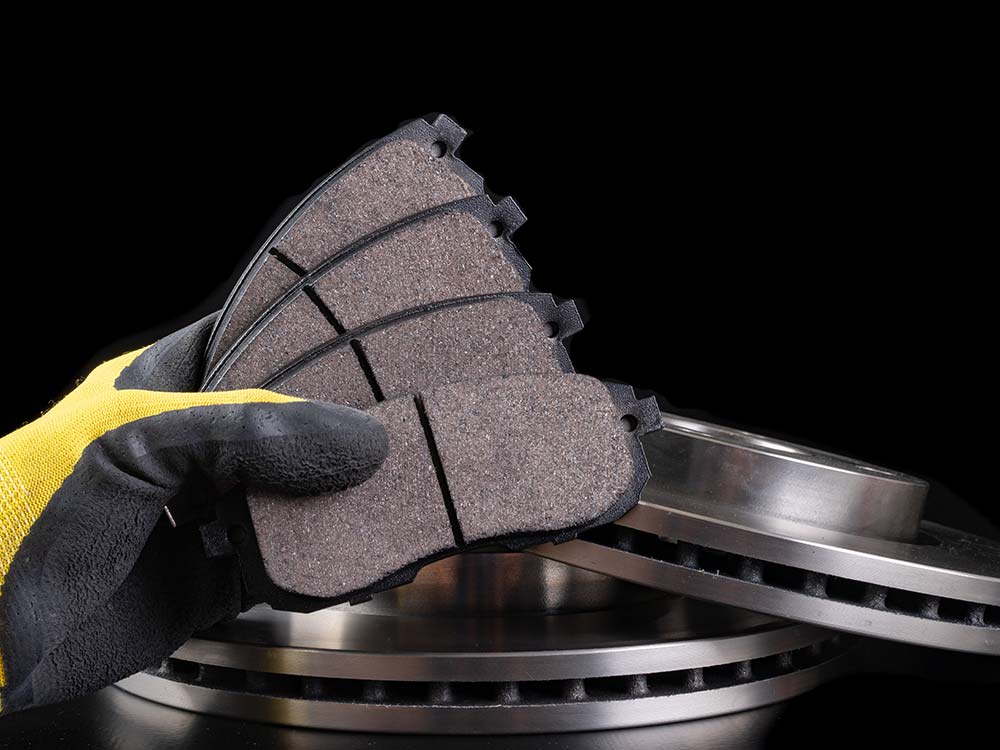
Ceramic vs. Semi-Metallic Brake Pads
Selecting the right friction pad material ensures optimal stopping performance for your specific vehicle and driving style:
Ceramic Brake Pads: Formulated from dense ceramic compounds blended with copper fibers, ceramic pads deliver exceptionally quiet operation, low dust production, and long-term rotor face durability. They excel in daily commuting environments and premium passenger vehicles.
Semi-Metallic Brake Pads: Constructed from a blend of steel, iron, and copper fibers bound in organic resins, semi-metallic pads offer superior heat dissipation and aggressive initial bite. They are ideal for heavy-duty trucks, towing setups, and vehicles carrying high payloads.
Disc Rotors & Caliper Assemblies
Rotors dissipate the extreme thermal energy generated during stopping. Over time, friction wears down the rotor disc face, creating grooves, thermal scoring, or lateral runout variations. Caliper assemblies feature protective rubber dust boots and slide pins that allow the unit to float smoothly over the disc. Exposure to winter road salt can cause slide pins to seize or caliper piston seals to leak, resulting in uneven pad wear or severe vehicle pulling during braking.
Multi-Point Digital Brake Inspection Checklist
To eliminate guesswork and provide complete transparency, our mechanics complete a rigorous digital inspection loop on every braking system serviced at our facilities:
Digital Pad Lining Measurement: Using precision digital calipers, we measure the remaining friction material thickness on both inner and outer brake pads across all four wheels.
Rotor Surface & Thickness Audit: We inspect rotor faces for scoring, rust scale, and heat cracks, taking micrometer thickness measurements to ensure the metal meets factory safety minimums.
Caliper & Hardware Inspection: Technicians check caliper pistons for hydraulic fluid seepage, inspect slide pins for free movement, and verify the condition of anti-squeal hardware clips.
Hydraulic Fluid & Line Evaluation: We test brake fluid for moisture content and copper contamination using electronic test strips, while inspecting flexible rubber lines and steel brake pipes for corrosion or swelling.
Parking Brake & ABS Diagnostic Sweep: We inspect mechanical parking brake cables and scan electronic Antilock Braking System (ABS) wheel speed sensors for active fault codes.
Critical Warning Signs Your Brakes Need Immediate Service
Ignoring early indicators of brake wear increases repair costs and puts your safety at risk. Schedule an inspection if you notice any of the following symptoms:
High-Pitched Squealing: Built-in metal wear indicators on pad backing plates produce a continuous high-pitched chirp when friction material drops to 3/32 of an inch.
Deep Metallic Grinding: A harsh grinding noise means the friction material has worn away completely, causing the metal backing plate to carve into the iron rotor face.
Spongy or Soft Brake Pedal: A pedal that feels mushy or sinks to the floor indicates air trapped in hydraulic lines, a leaking master cylinder, or moisture-contaminated brake fluid.
Vehicle Pulling Under Braking: If your vehicle pulls to one side when stopping, a caliper slide pin may be seized, or a flexible hydraulic line may be restricted.
Steering Wheel or Pedal Pulsation: Vibration felt through the pedal during braking indicates rotor thickness variation or thermal runout.
Brake Repair FAQ
How much does a professional brake pad replacement cost?
The cost of a brake pad replacement varies depending on the vehicle’s make, model, and choice of friction material (ceramic vs. semi-metallic). On average, pad replacement per axle ranges from $175 to $300, including labor, new hardware clips, and slider pin lubrication. Replacing both pads and rotors typically ranges from $350 to $600 per axle.
How often should brake pads be replaced?
Brake pads generally last between 30,000 and 70,000 miles. Lifespan depends on driving environment, vehicle weight, and individual driving habits, with urban stop-and-go driving accelerating pad wear compared to highway cruising.
Is it necessary to replace rotors when getting new brake pads?
While pads can sometimes be replaced independently if rotors are smooth and well above minimum safety thickness, installing new pads onto scored or worn rotors causes uneven pad seating and noise. Replacing or resurfacing rotors alongside new pads ensures maximum contact area and noise-free stopping.
Why do my brakes squeak first thing in the morning?
Morning brake noise is often caused by a thin layer of surface rust that forms on iron rotors overnight, especially in humid or rainy Minnesota weather. This surface flash rust typically brushes off harmlessly after the first few stops.
Schedule Your Professional Brake Service Today
- Madison Lake Shop: 507-243-3284 | 409 Main St, Madison Lake, MN 56063
- Waseca Shop: 507-835-1510 | 200 2nd Ave SE, Waseca, MN 56093
- Fairmont Shop: 507-235-5800 | 410 E Blue Earth Ave, Fairmont, MN 56031
contact, location & hours
MADISON LAKE
507-243-3284
madisonlake@cartireandauto.com
409 Main St, Madison Lake, MN 56063
Mon - Fri 8:00 AM - 5:00 PM | Closed Weekends
Waseca
507-835-1510
waseca@cartireandauto.com
200 2nd Ave SE, Waseca, MN 56093
Mon - Fri 8:00 AM - 5:00 PM | Closed Weekends
Fairmont
507-235-5800
fairmont@cartireandauto.com
410 E Blue Earth Ave, Fairmont, MN 56031
Mon - Fri 8:00 AM - 5:00 PM | Closed Weekends
sitemap
Follow us