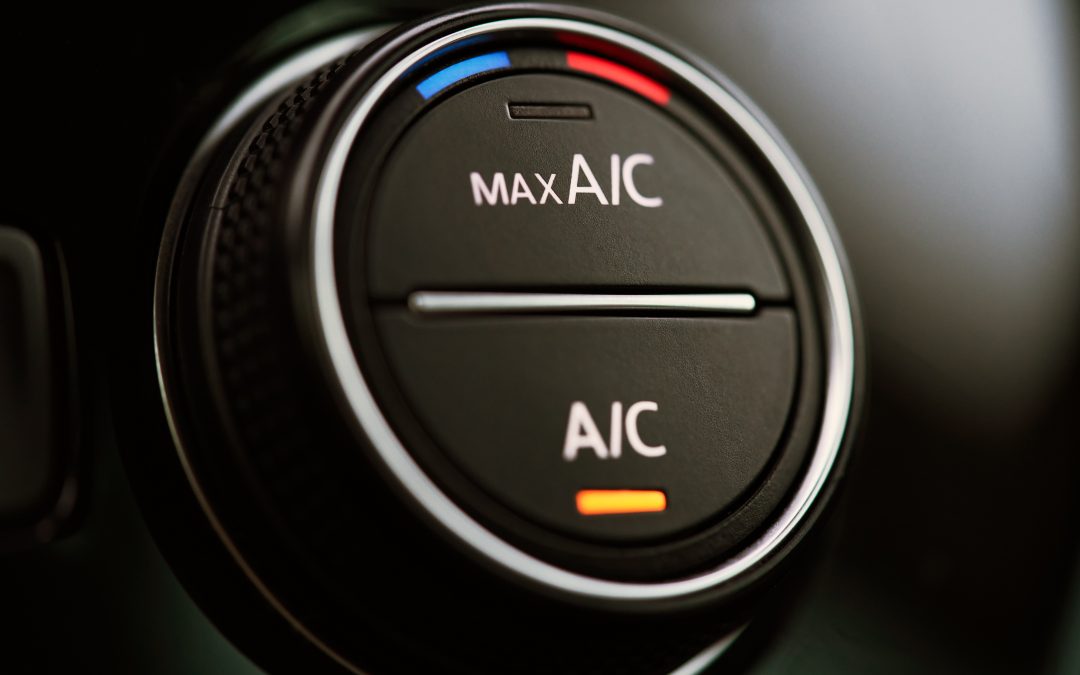
Summer in Minnesota hits fast. One week you’re still running the heat, and the next you’re cranking the AC just to survive your commute. But have you ever wondered what’s actually happening under the hood when you press that little snowflake button?
Your car’s air conditioning system is more complex than most people realize — and understanding the basics can help you catch a problem early, before it turns into an expensive repair. At CAR Tire & Auto Center, we believe an informed customer is a confident one. So let’s break it down.
The Big Idea: Your AC Doesn’t Create Cold Air
Here’s the part that surprises most people: your AC system doesn’t actually make cold air. It removes heat from the air already inside your car. It does this by cycling a special fluid — called refrigerant — through a series of components that absorb heat from the cabin and release it outside.
Think of it like wringing water from a towel. The heat gets squeezed out of your car’s air and dumped outside, leaving cool, comfortable air behind.
The Key Players in Your AC System
1. The Compressor
This is the heart of the system. The compressor is belt-driven by your engine and its job is to pressurize the refrigerant and keep it moving through the system. When your AC is running, you’re actually putting a small load on your engine — which is why fuel economy dips slightly on hot days.
Signs of trouble: A clicking or grinding noise when the AC kicks on, or AC that blows warm air intermittently.
2. The Condenser
Located at the front of your vehicle (right in front of the radiator), the condenser looks a lot like a small radiator. Hot, pressurized refrigerant flows through it and outside air passing through it carries the heat away. This is how the heat from inside your car gets released to the outside world.
Signs of trouble: Visible damage or bent fins, especially after a rock strike or minor front-end impact. A damaged condenser often causes the whole system to underperform.
3. The Receiver-Drier or Accumulator
This small but important component acts as a filter and moisture trap for the refrigerant. It removes any water vapor that could freeze up the system or cause corrosion.
Signs of trouble: If moisture gets into the system, you may notice the AC cycling on and off rapidly or feel inconsistent cooling.
4. The Expansion Valve (or Orifice Tube)
Before the refrigerant enters the evaporator, it passes through an expansion valve or orifice tube. This component rapidly drops the pressure of the refrigerant, which causes it to cool down significantly — setting it up to absorb heat inside your vehicle.
Signs of trouble: If this component fails, you may feel the AC blow cold for a few minutes then warm up, or notice frost forming on the AC lines.
5. The Evaporator
This is where the magic happens inside your car. The evaporator sits behind your dashboard, and the now-cold refrigerant flows through it. Your blower fan pushes cabin air across the evaporator’s fins — the refrigerant absorbs the heat from that air, and cool air gets pushed into your vehicle.
The evaporator also removes humidity from the air, which is why you might notice water dripping from under your car on a hot day. That’s completely normal — it’s just condensation.
Signs of trouble: A musty or mildew smell from your vents is often a sign of mold or bacteria buildup on the evaporator. This is common and treatable.
Why Refrigerant Matters
Your AC system is a closed loop — refrigerant isn’t supposed to run out. If your system is low on refrigerant, that means there’s a leak somewhere. Many shops will simply “recharge” your AC without checking for a leak, which is a temporary fix at best.
At CAR Tire & Auto, we don’t just top it off and send you on your way. We check for the source of the problem so you’re not back in our bay a few months later with the same warm air blowing at your face.
When Should You Get Your AC Checked?
Don’t wait until you’re sweating through your commute. Here are some signs it’s time to bring your vehicle in:
- Warm or lukewarm air coming from the vents when AC is on
- Weak airflow even at the highest fan setting
- Strange smells — musty, chemical, or burning odors
- Unusual noises when the AC turns on
- Your AC hasn’t been serviced in 2+ years
A quick AC inspection can save you from a much bigger repair down the road. And with Minnesota summers being what they are, you don’t want to find out your AC is broken on the hottest day of the year.
We’re Here When You Need Us
At CAR Tire & Auto Center, our technicians are trained to diagnose and repair AC systems the right way — no shortcuts, no guesswork. We serve families across Edina, Madison Lake, and Waseca, and we’re proud to be the shop you can trust to give you honest answers and quality work.
Schedule your AC inspection today and head into summer with confidence.
📍 Find your nearest CAR Tire & Auto Center location and book an appointment online or give us a call.
CAR Tire & Auto Center — Tires, maintenance, and repair done right. Because your family deserves a shop they can count on.