Owning a car comes with a lot of small questions. Some feel too basic to ask out loud, so they just pile up until something goes wrong. Here are straightforward answers to the maintenance questions our Edina, Madison Lake, and Waseca teams hear most often.
How Often Should I Change My Oil?
Most newer vehicles go 5,000 to 7,500 miles between oil changes, though some can stretch to 10,000 with full synthetic oil. Your owner’s manual has the exact number for your engine. When in doubt, a technician can check your specific make and model and tell you where you stand.
What Do Those Numbers on My Tires Mean?
The numbers on your tire’s sidewall (like 225/65R17) describe its width, sidewall height, and wheel diameter. Your tire pressure is a separate number, usually found on a sticker inside the driver’s door frame, not on the tire itself. That sticker tells you the pressure your vehicle actually needs, which can be different from the max number printed on the tire.
When Should I Rotate My Tires?
A good rule of thumb is every 5,000 to 7,500 miles, or about every other oil change. Rotating tires evens out wear so you get more life out of a full set instead of replacing two tires early because they wore down faster than the others.
How Do I Know My Brakes Need Attention?
Listen for squealing or grinding when you brake, and pay attention to any vibration through the pedal. If your car pulls to one side while braking, that’s worth a look too. Most brake pads have a wear indicator that starts making a light squeal on purpose, as an early warning before the pads wear down further.
Which Fluids Should I Check at Home?
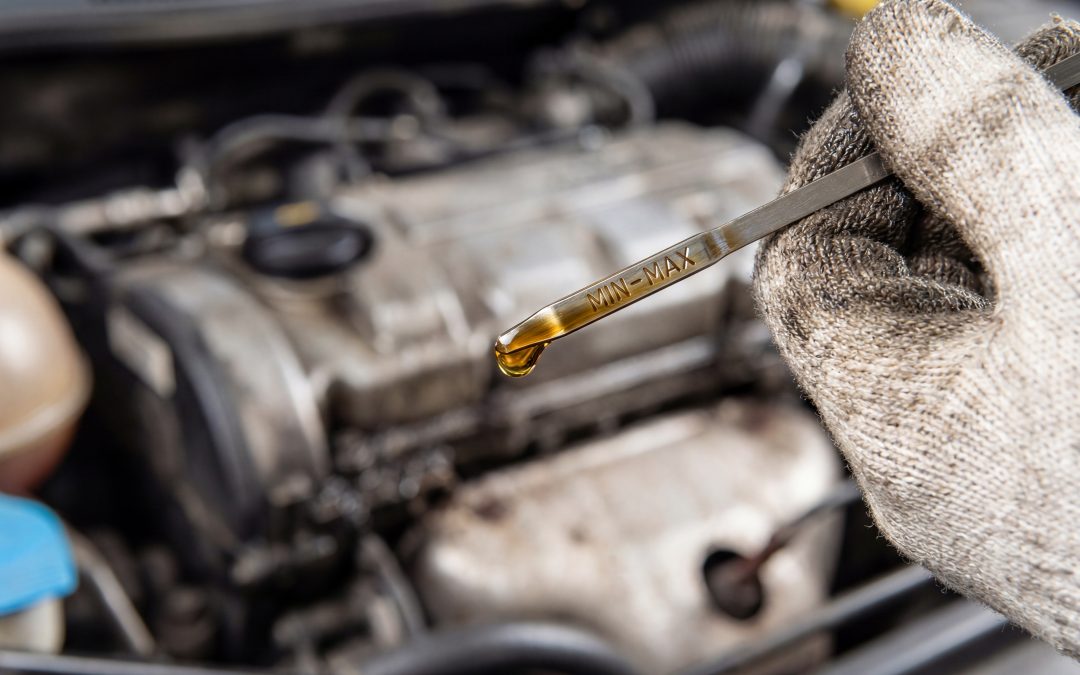
Your oil, coolant, brake fluid, power steering fluid, and windshield washer fluid all have marked reservoirs under the hood, most with a clear “min” and “max” line. Checking them takes a few minutes and can catch a small leak before it becomes a bigger repair.
How Long Does a Car Battery Really Last?
Most car batteries last three to five years, though cold Minnesota winters can shorten that. If your car cranks slower than usual before starting, or the interior lights dim when you start it, the battery is worth testing before it leaves you stranded.
What Does the Check Engine Light Actually Mean?
It can mean a lot of things, from a loose gas cap to a more significant engine issue. A steady light usually means it’s safe to drive to a shop soon. A flashing light means you should get it looked at right away. Either way, a diagnostic scan will tell you exactly what triggered it instead of guessing.
Maintenance questions do not have a wrong time to ask them. If something on this list has been sitting in the back of your mind, stop by our Edina, Madison Lake, or Waseca location and we will walk through it with you. Or schedule online at www.cartireandauto.com