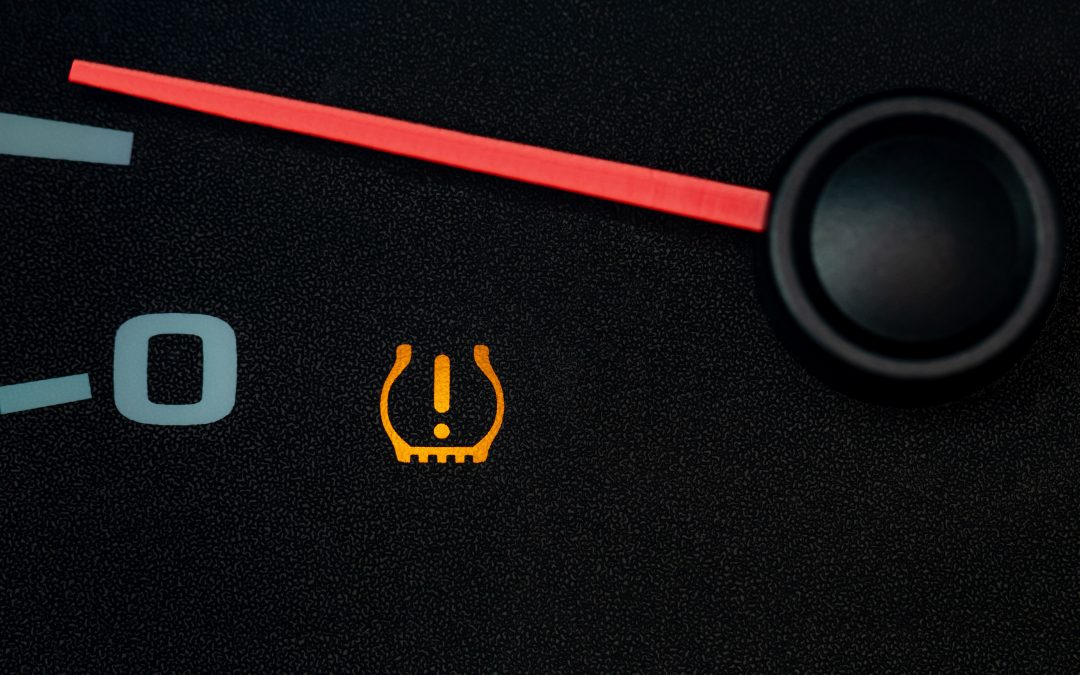
You are driving along and that little tire-shaped warning light pops on your dashboard. Maybe you have seen it before. Maybe this is your first time. Either way, your first instinct is probably to wonder whether you need to pull over right now or whether it is fine to just keep going.
The honest answer is: it depends. And that is exactly what this post is going to help you figure out.
The tire pressure monitoring system, or TPMS, is one of the more useful warning lights on your dashboard because it is telling you something specific. Once you understand what it is actually saying, you will know exactly what to do every time it comes on.
What the Tire Pressure Light Actually Means
Your TPMS light comes on when one or more of your tires drops to a pressure that is 25 percent or more below the manufacturer’s recommended level. That threshold is set by federal safety standards, not by your vehicle manufacturer, which means every car on the road today with a TPMS system uses the same trigger point.
What it does not tell you is which tire is low or by how much. Some vehicles with more advanced TPMS systems will display the pressure in each individual tire right on your dashboard screen. If yours does that, check it. If yours just shows the light, you will need to check each tire manually.
It also does not tell you why the pressure dropped. And that why matters more than most people realize.
The Most Common Reasons Your TPMS Light Comes On
There are a few things that can trigger the tire pressure warning, and they are not all equally serious.
Temperature drops. This is the most common and least alarming reason. For every 10 degree drop in outside temperature, your tires lose approximately one PSI of pressure. In Minnesota, where temperatures can swing dramatically overnight, it is not unusual to wake up to a TPMS light that was not there when you parked the night before. If this is the cause, the light will often go off on its own once the tires warm up from driving. But you should still check the pressure to confirm.
Slow leak from a nail or screw. This is also very common and easy to miss. A small puncture can cause a tire to lose pressure gradually over hours or days rather than all at once. You may not notice anything wrong with how the car drives until the light comes on.
Valve stem issues. The valve stem is the small rubber or metal piece you unscrew to add air. Over time these can crack, corrode, or loosen and allow air to escape slowly.
A damaged or failing TPMS sensor. Each tire has a sensor inside it that communicates with your vehicle’s computer. These sensors run on small batteries that typically last 5 to 10 years. When a sensor battery dies or the sensor is damaged, it can trigger the TPMS light even if your tire pressure is perfectly fine.
Tire rotation without resetting the sensors. If your TPMS light came on shortly after a tire rotation or other service, the sensors may just need to be recalibrated to their new positions.
Is It Safe to Keep Driving?
This is the question everyone wants answered, and it is a fair one.
If the light just came on and your tires look visually normal, you can generally drive a short distance to a place where you can safely check and add air. Do not drive long distances or at highway speeds on a tire that is significantly underinflated.
Here is why that matters. A tire that is low on pressure runs hotter, wears unevenly, and handles differently. At highway speeds, a severely underinflated tire can fail without much warning. That is the scenario you want to avoid.
If you get in your car and a tire looks noticeably flat or significantly lower than the others, do not drive on it. Add air first or call for help.
A good general rule:
- TPMS light on, tires look normal: check pressure as soon as safely possible, drive carefully in the meantime
- TPMS light on, one tire looks low: add air before driving any distance
- TPMS light on, tire looks flat: do not drive, address it where you are
How to Check Your Tire Pressure
You do not need to be a car person to do this. You just need a tire pressure gauge, which you can pick up at any auto parts store for a few dollars, and access to an air source.
Here is the process:
- Find the correct PSI for your tires. This is on the sticker inside your driver’s door jamb, not on the tire itself. The number on the tire sidewall is the maximum pressure, not the recommended pressure. These are different numbers and using the wrong one matters.
- Remove the valve cap from each tire and press the gauge firmly onto the valve stem.
- Read the pressure and compare it to the number on your door sticker.
- Add air as needed. Most gas stations have an air machine available.
- Replace the valve cap when you are done.
- Check all four tires, not just the one you think is low. You may have more than one that needs attention.
If you add air and the light does not go off within a few miles of driving, the sensor may need to be reset or there may be an underlying issue worth having checked.
What If the Light Comes Back On?
If you add air and the TPMS light comes back on within a day or two, that is your car telling you something is not right. It could be a slow leak from a puncture, a failing valve stem, or a sensor issue.
This is the point where guessing gets expensive. A tire that slowly leaks is not going to fix itself, and continuing to top it off every few days is not a solution. It is worth bringing it in so someone can put the tire on a machine, find the source of the leak, and give you a straight answer on whether it can be patched or needs to be replaced.
Most puncture repairs are quick and inexpensive. Finding out you have a nail in your tire before it goes flat on the highway is a much better situation than the alternative.
The TPMS Reset Light
There is a second TPMS indicator you may see and it looks a little different. Some vehicles display a TPMS light with the word RESET underneath it, or a blinking version of the same icon. This usually means the system needs to be recalibrated rather than that your pressure is genuinely low.
This often happens after:
- A tire rotation where sensors moved to new positions
- A tire replacement where a new sensor was installed
- A battery replacement in your vehicle
If this is what you are seeing, bring it in and we can reset the system for you. It does not take long and it is a simple fix.
How to Prevent the Light From Coming On in the First Place
The most effective thing you can do is check your tire pressure once a month. It takes about five minutes and it is one of those small habits that saves you real money over time. Properly inflated tires last longer, get better fuel economy, and handle more predictably.
A few things worth knowing:
- Check tire pressure when the tires are cold, meaning you have driven less than a mile. Pressure rises as tires warm up and you will get a more accurate reading before you drive.
- Recheck after any significant temperature swing. Early spring and late fall in Minnesota are the times when the light is most likely to surprise you.
- Have your TPMS sensors checked at regular service intervals. Most last 5 to 10 years but it is worth knowing where yours stand.
We Will Take a Look for You
If your tire pressure light is on and you are not sure what is causing it, come see us. We will check the pressure in every tire, look for leaks, inspect your valve stems, and test your TPMS sensors. We will tell you exactly what we find and what, if anything, needs to be done.
No appointment needed for most tire checks. CAR Tire & Auto Center serves Madison Lake, Waseca, and Edina. Stop in and we will get you sorted out quickly. Find us online at https://cartireandauto.com/