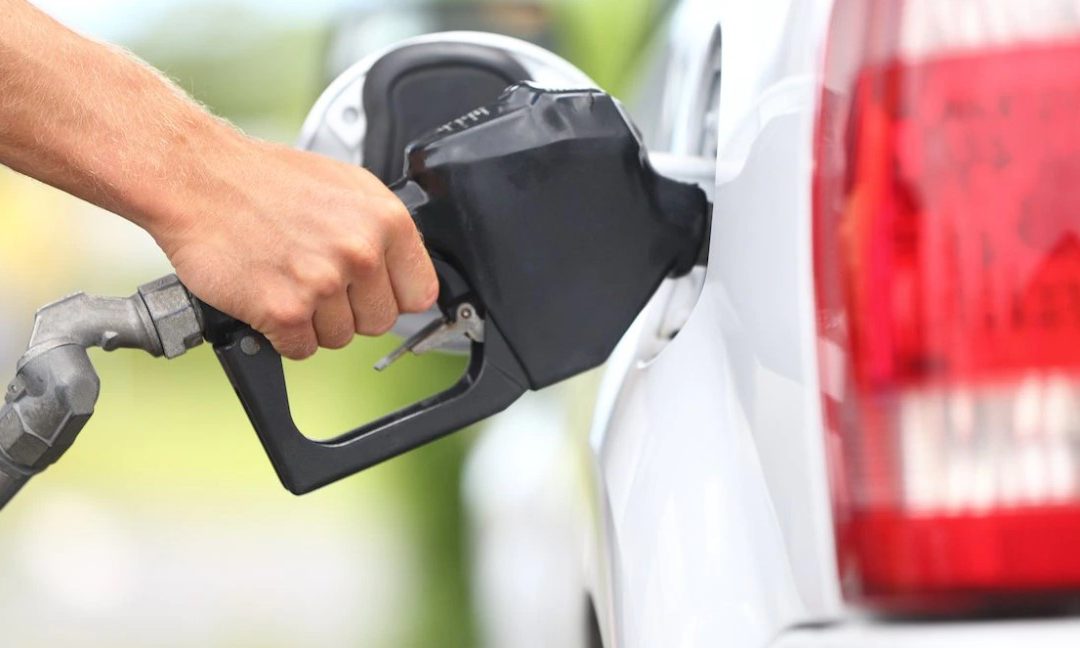
If you have filled up your tank recently, you already know what is happening. Gas in Minnesota is averaging over $4.16 a gallon right now, up more than $1.25 from this time last year. That is real money, especially if you are driving kids to activities, commuting for work, or keeping multiple vehicles on the road.
The thing is, you can’t control what happens at the refinery or overseas. But you can control how much fuel your car is actually burning. A poorly maintained vehicle can lose 10 to 20 percent of its fuel efficiency without you even realizing it. That adds up fast when gas is this expensive.
Here is what you can actually do about it.
Start With Tire Pressure. It Matters More Than You Think.
This is the easiest and most overlooked one. When your tires are underinflated, your engine has to work harder to move the car. According to the U.S. Department of Energy, you can improve your gas mileage by up to 3 percent just by keeping your tires inflated to the correct pressure.
Most people only check their tire pressure when the warning light comes on. But tires lose about one PSI per month naturally, and they lose even more when temperatures swing, which happens a lot in Minnesota. Check yours once a month and before any long trip.
- Find the correct PSI on the sticker inside your driver’s door, not on the tire itself
- Use a tire gauge, the ones at gas stations are often inaccurate
- If your TPMS light is on, come in and we will check it for you at no charge
Get Your Oil Changed on Time With the Right Oil
Old, dirty oil creates more friction inside your engine, which means your engine burns more fuel doing the same amount of work. It is one of the simplest ways your car quietly costs you more at the pump.
Using the wrong oil type matters too. If your car calls for 5W-30 synthetic and you are running a heavier conventional oil, you are leaving fuel efficiency on the table.
- Check your owner’s manual for the recommended oil type and interval
- Synthetic oil lasts longer and flows better in cold weather, which matters here
- If you are overdue, schedule an oil change and you will likely notice the difference
Replace Your Air Filter. Your Engine Needs to Breathe.
A clogged engine air filter restricts airflow to the engine, which forces it to burn more fuel to compensate. It is an inexpensive fix that most people forget about.
The EPA estimates that replacing a clogged air filter on an older carbureted vehicle can improve fuel economy by up to 14 percent. On newer fuel-injected engines, a dirty filter may not affect MPG as dramatically, but it will affect performance and long-term engine health.
- Most air filters should be replaced every 15,000 to 30,000 miles
- If you drive on dusty gravel roads, check it more often
- We check your air filter during every multi-point inspection
Check Your Spark Plugs
Worn spark plugs cause misfires, which means fuel is being pushed through your engine without being burned efficiently. The result is lower MPG, rougher acceleration, and sometimes a check engine light.
This is not something most drivers think about until something goes wrong, but it is part of a complete maintenance schedule for a reason.
- Most spark plugs should be replaced every 30,000 to 100,000 miles depending on type
- Signs of worn plugs include rough idling, slow acceleration, and reduced fuel economy
- Ask us to check yours if you are not sure when they were last replaced
Slow Down and Drive Smoothly
This one is free. Aggressive driving, meaning hard acceleration, hard braking, and high highway speeds, can lower your gas mileage by 15 to 30 percent on the highway and 10 to 40 percent in stop-and-go traffic.
You do not have to drive slow. You just have to drive steady.
- Accelerate gradually rather than flooring it from a stop
- Use cruise control on the highway to maintain a consistent speed
- Anticipate stops instead of braking hard at the last second
- At highway speeds, fuel efficiency drops significantly above 60 mph
Lighten the Load
Your car burns more fuel carrying more weight. If you have been driving around with a trunk full of gear, tools, or things you keep meaning to drop off somewhere, clean it out. Every 100 pounds of extra weight reduces fuel economy by about 1 percent, which sounds small until you think about how much some of us are carrying.
- Remove roof racks and cargo carriers when you are not using them
- They add aerodynamic drag that hurts highway mileage
- Keep only what you actually need in your vehicle day to day
Do Not Ignore Small Problems
That small rattle, the sluggish acceleration, the check engine light you have been ignoring for two weeks. These things often point to issues that are costing you fuel every single day. A faulty oxygen sensor alone can reduce fuel economy by up to 40 percent.
The longer you wait, the more you spend at the pump. And usually, the more expensive the eventual repair.
- A free diagnostic scan can tell you if anything is affecting your fuel system
- Most warning lights are not emergencies, but they are your car asking for help
- We are here to answer questions, even if you are not sure the problem is worth a visit
Use the Gas Grade Your Car Actually Needs
Some drivers think premium fuel will give them better mileage in a car that only requires regular. It will not. You will spend more and get nothing in return.
On the flip side, if your car requires premium and you are running regular to save money, you may actually be hurting performance and efficiency.
- Check your owner’s manual or the label inside the fuel door
- Most cars run perfectly well on regular unleaded
- Using premium in a regular-grade engine is money wasted
Keep Up With Scheduled Maintenance
The single most reliable thing you can do for fuel economy is keep your car on its maintenance schedule. Tires, oil, filters, fluids, brakes, and belts all work together to keep your engine running as efficiently as it was designed to.
When one thing slips, your engine compensates, and that compensation costs fuel.
- A multi-point inspection is the easiest way to catch what is quietly hurting your mileage
- We offer one with every oil change at no extra cost
- It takes about the same amount of time and can save you hundreds over the life of your vehicle
We Are Here When You Need Us
Gas prices are not coming down quickly. But your car does not have to be part of the problem. Most of the fixes above are simple, affordable, and make a noticeable difference over time.
If you are not sure where to start, come see us. We will take a look, give you honest answers, and help you figure out what your car actually needs. That is what we are here for.
CAR Tire & Auto Center serves Madison Lake, Waseca, and Edina. Stop in, give us a call, or schedule online today!